The Roadside Zoo
I first visited a roadside zoo when I was seven.
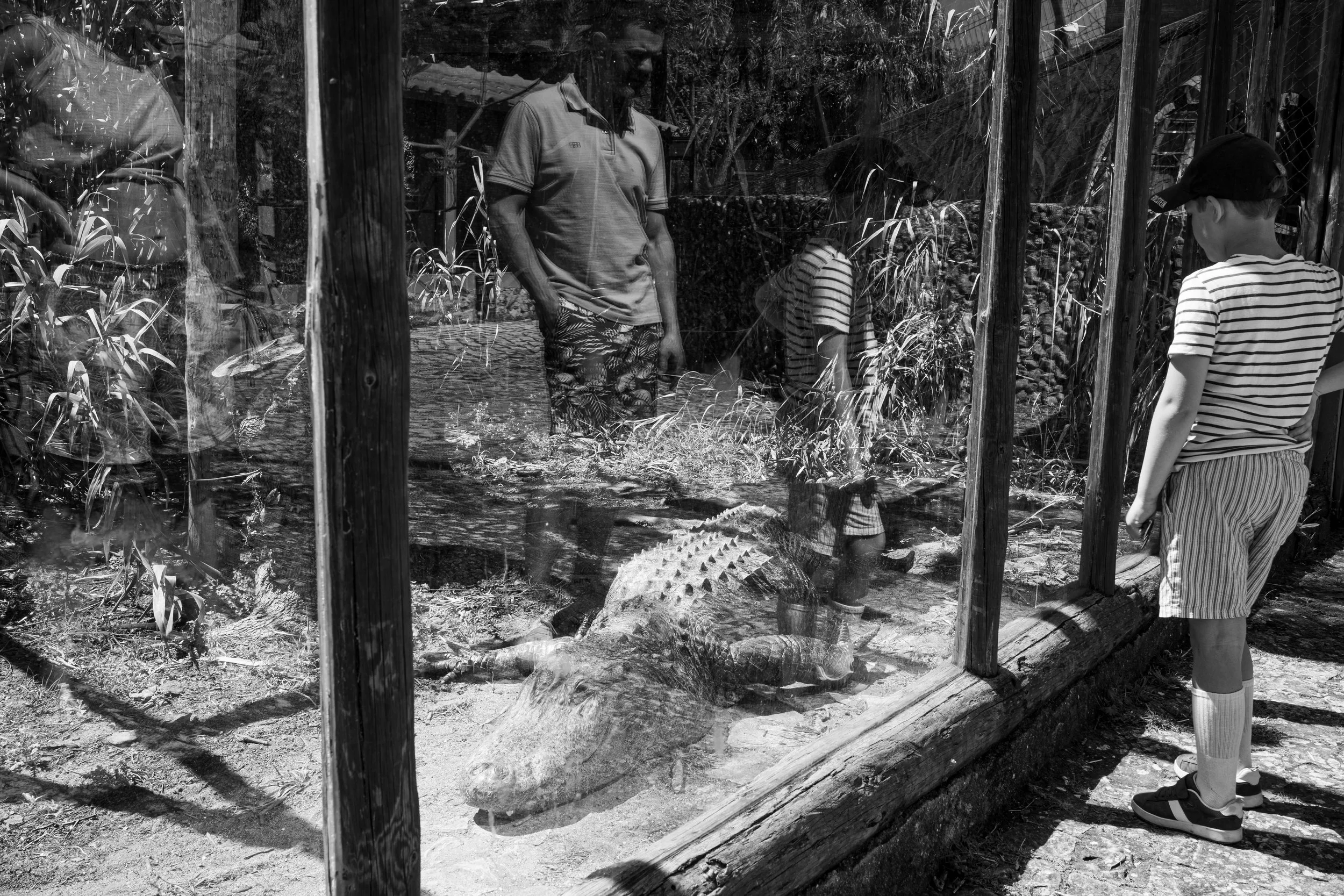
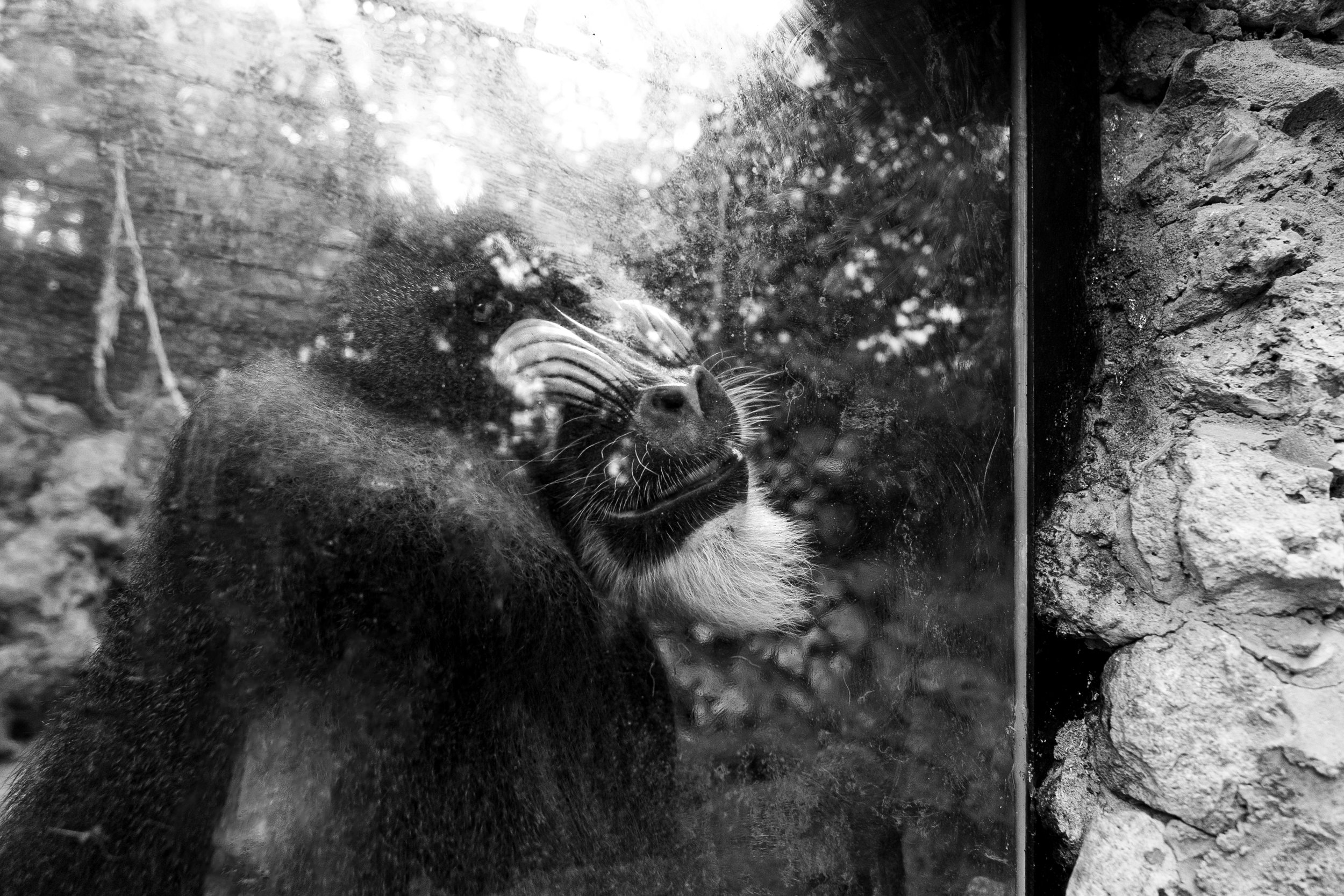
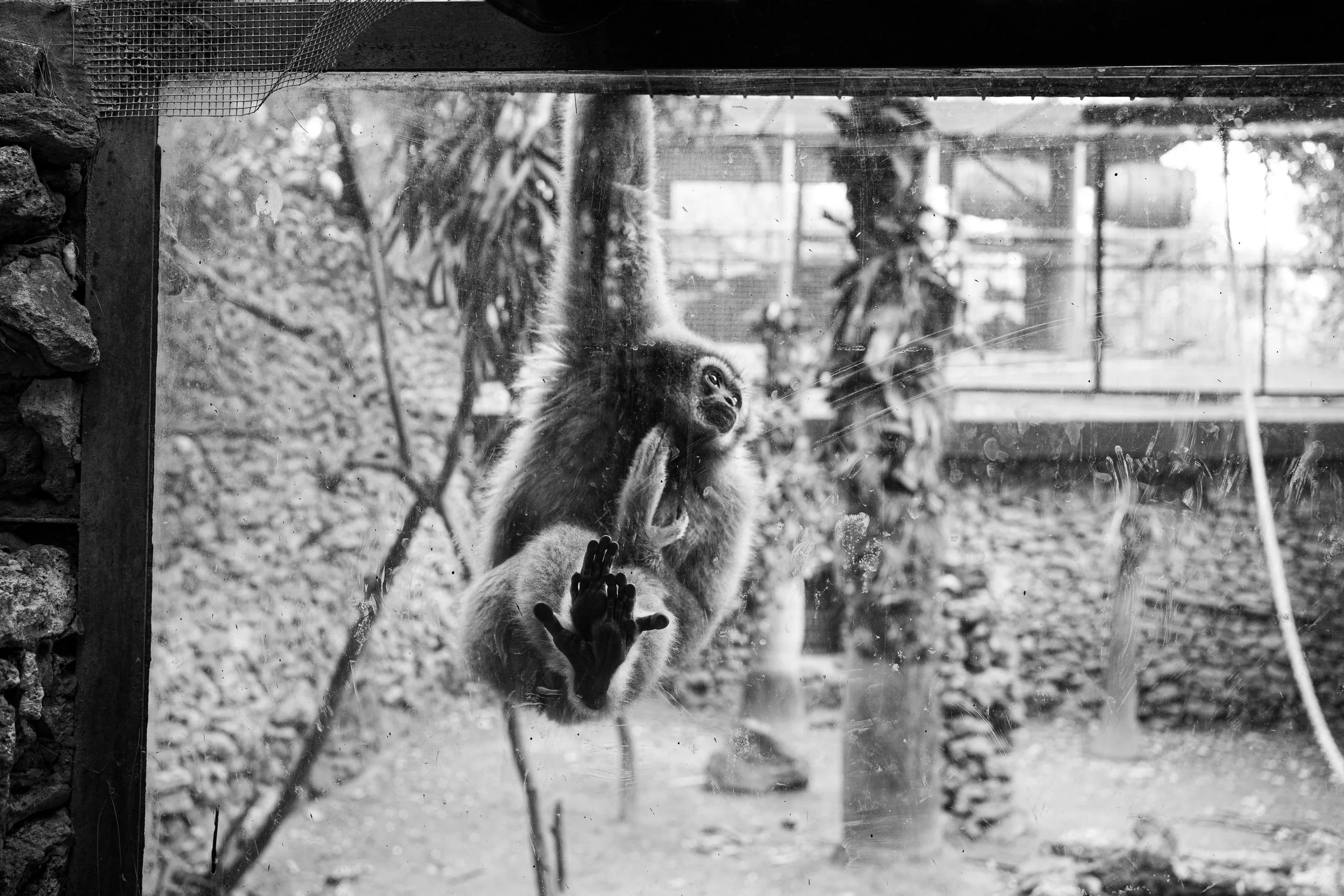
I was on holiday in Fuerteventura with my family. We saw a faded sign pointing down a long stretch of dusty road. The afternoon was spent in the baking sun, examining exotic animals behind grubby glass.
I loved every minute. I remember driving back to our hotel full of awe and wonder. I look back on that little girl and wish I could see these places as she did.
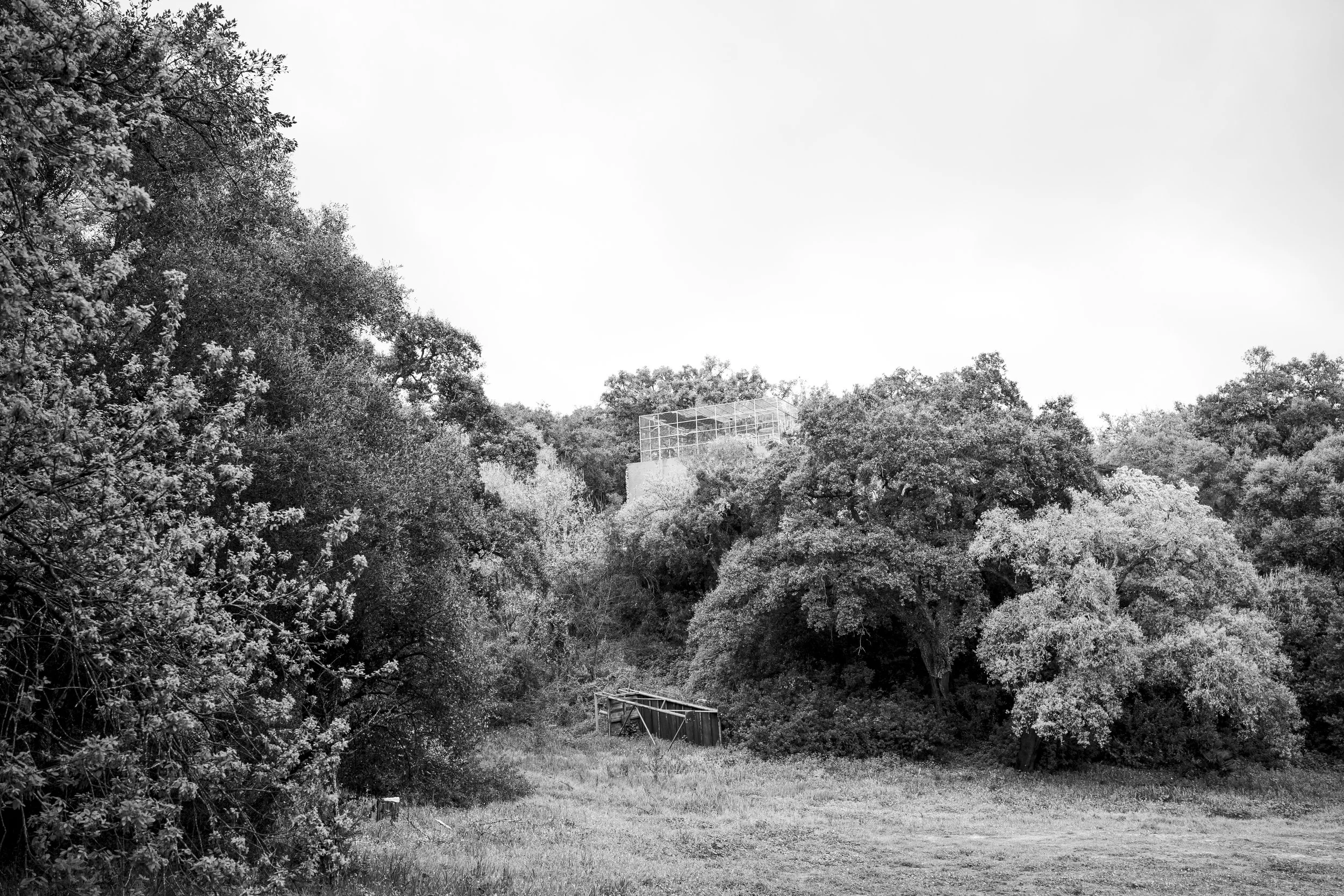
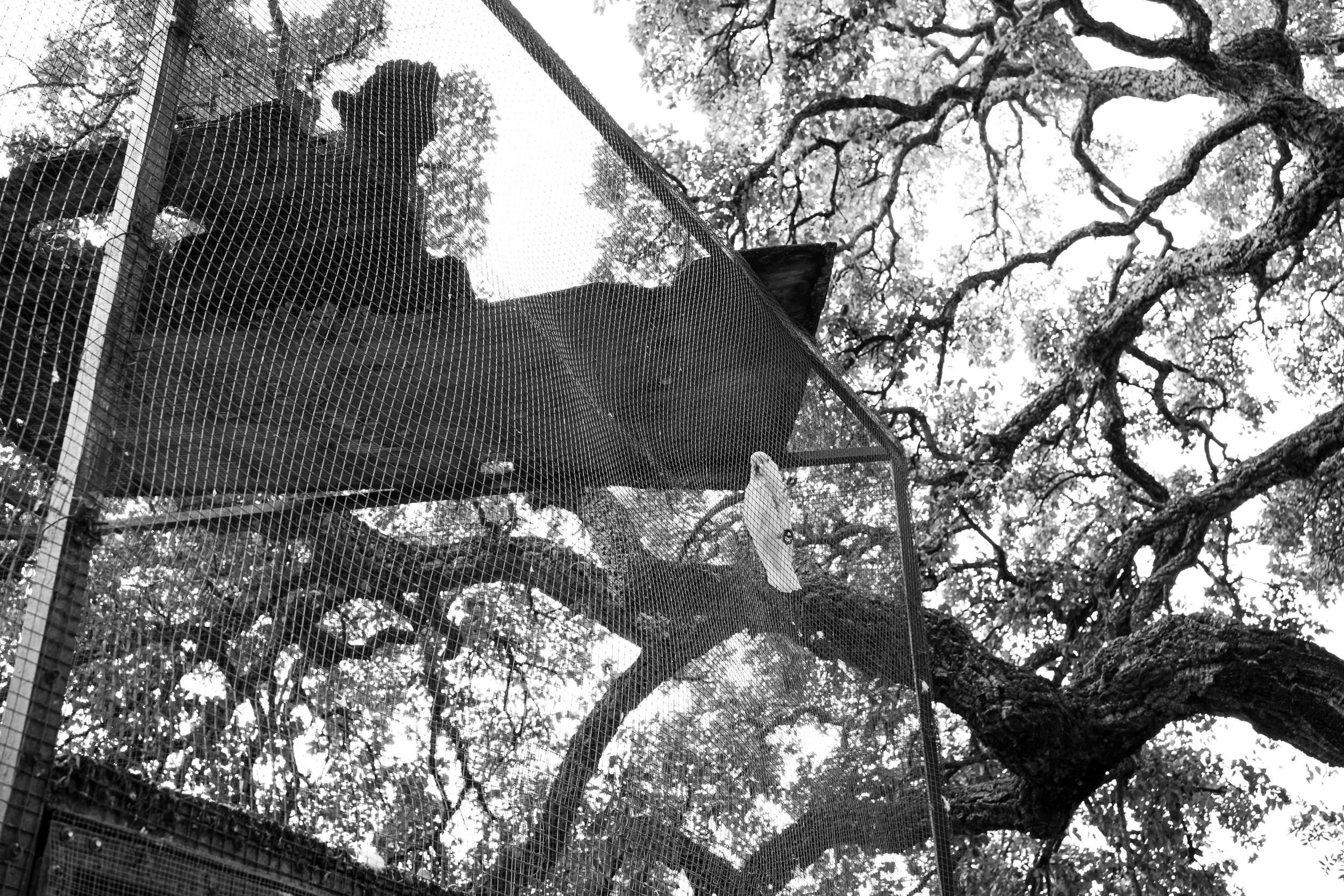
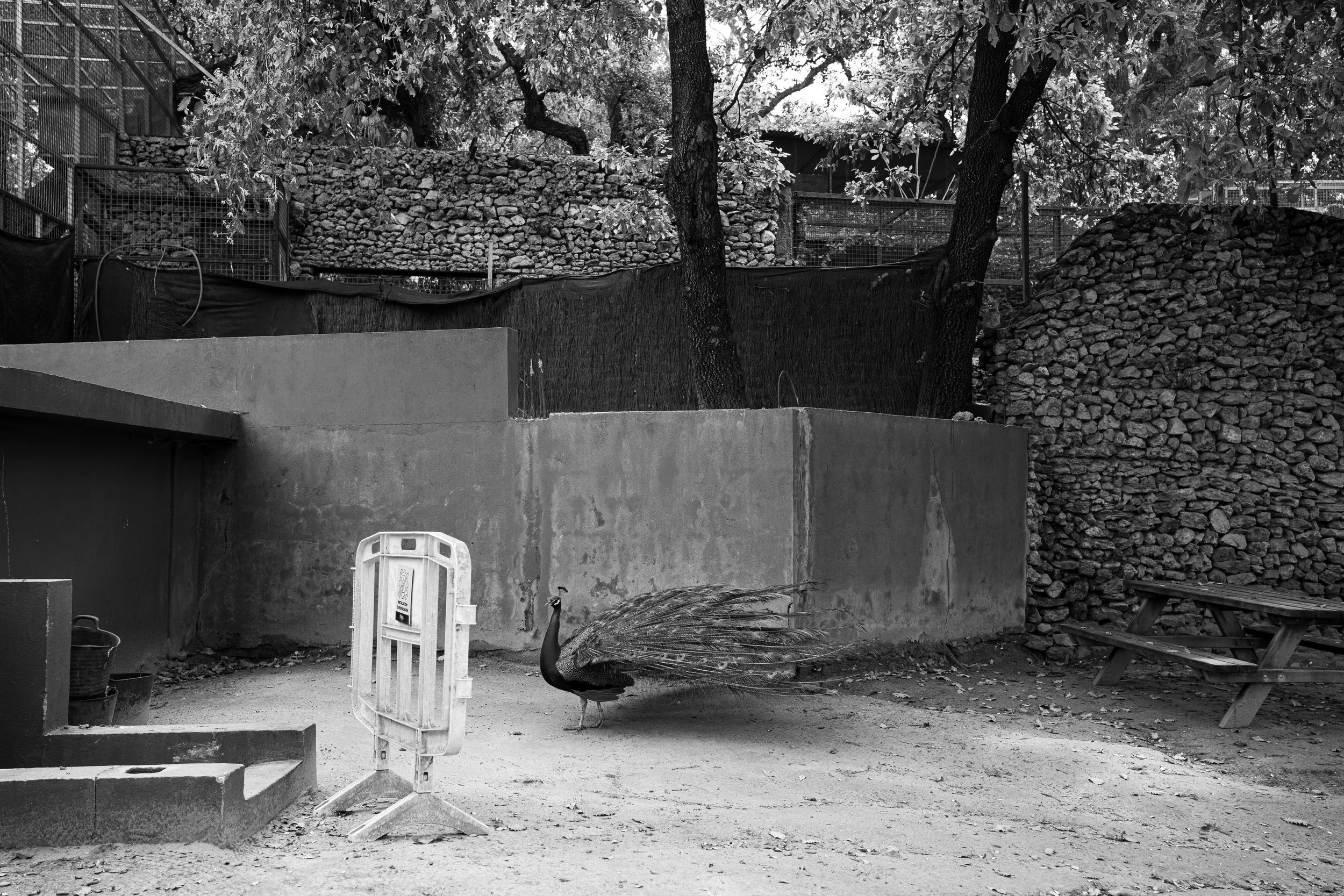
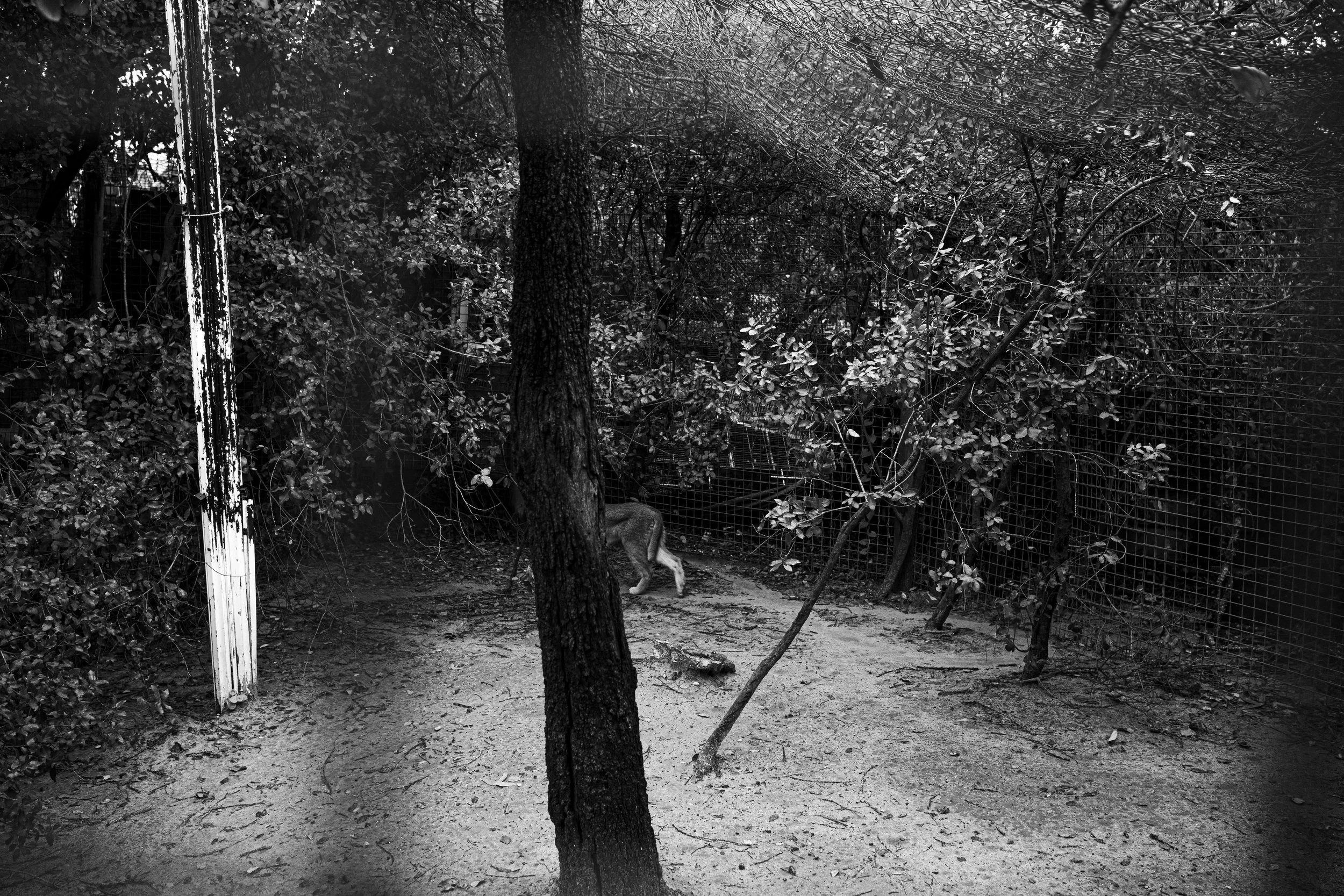
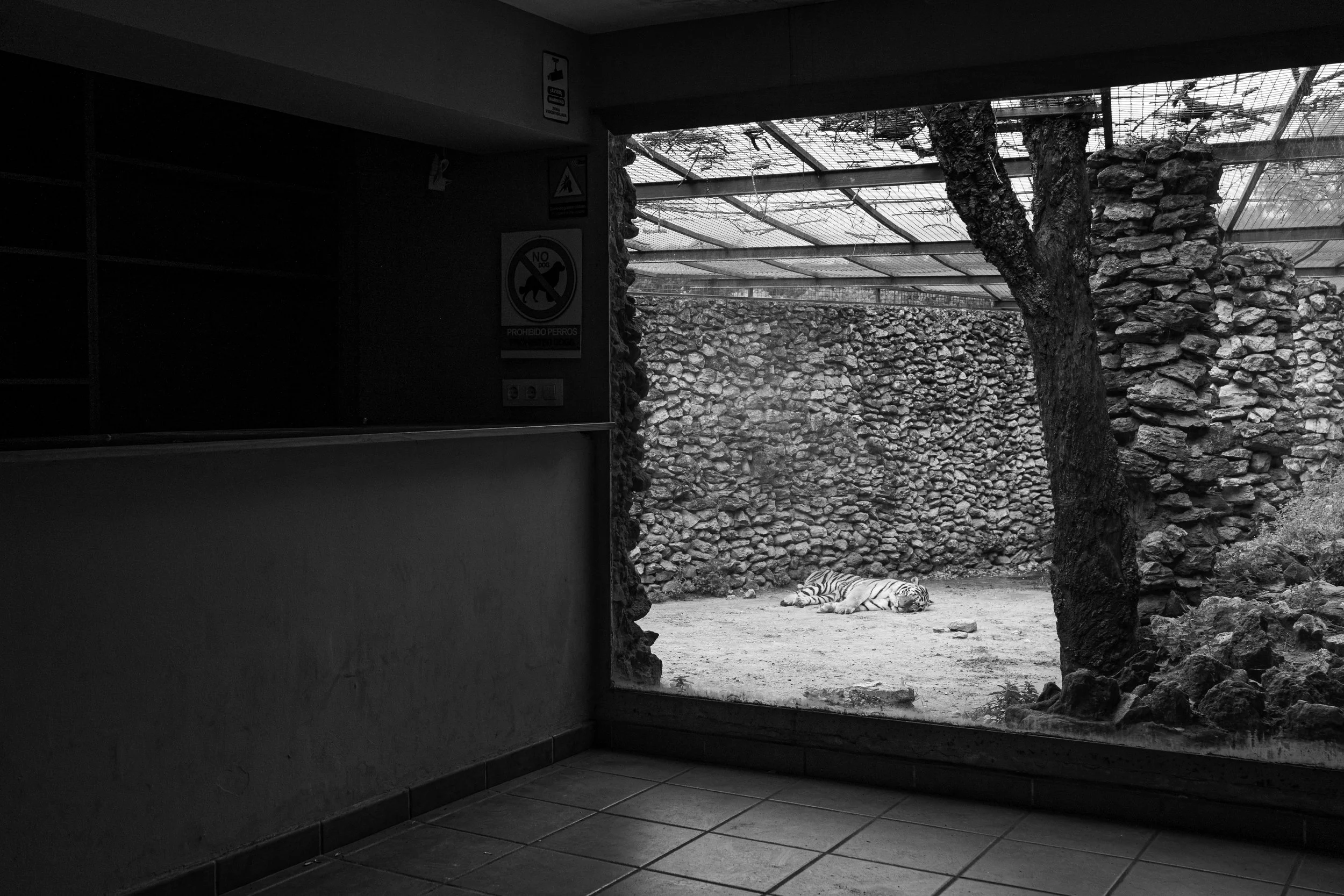
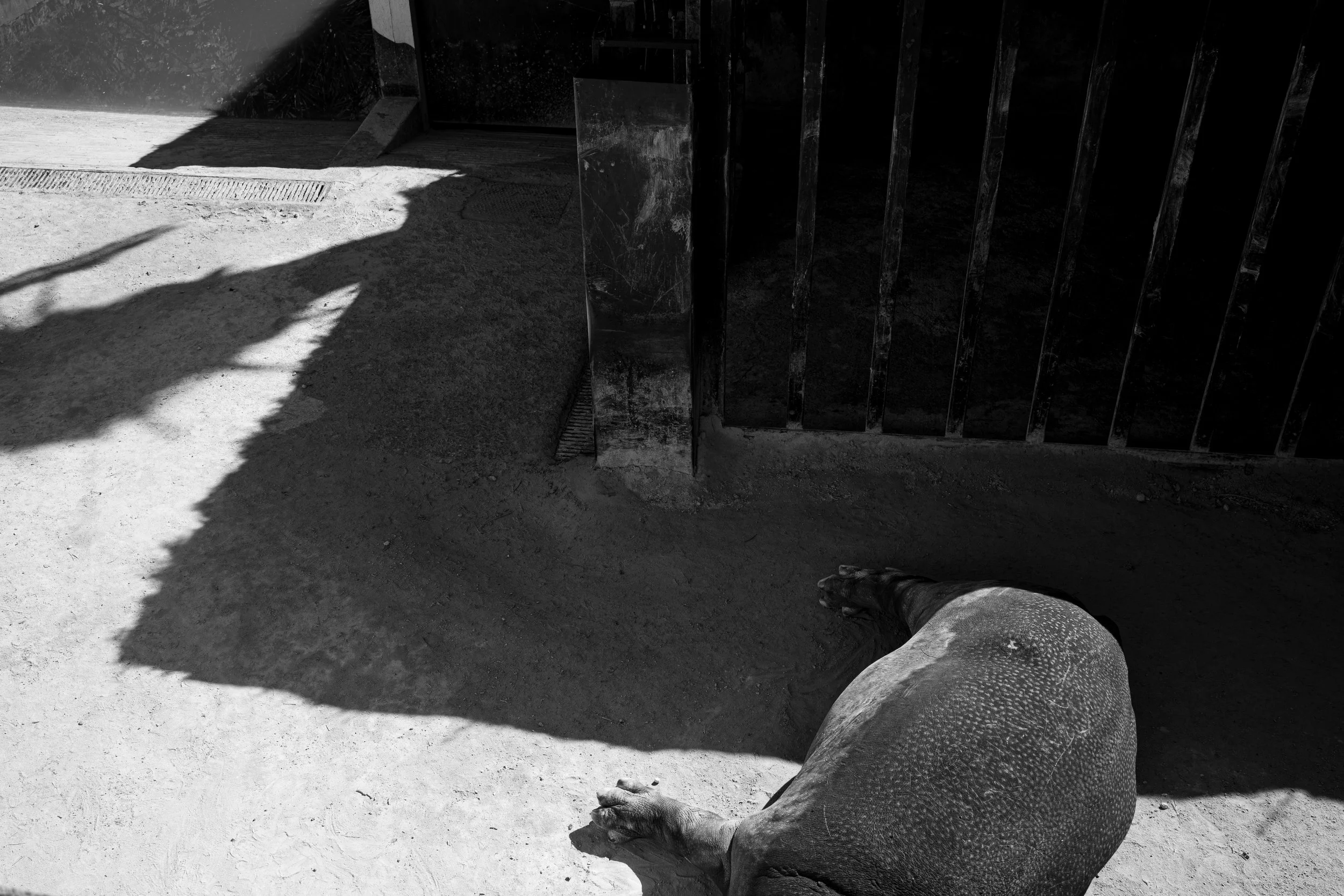
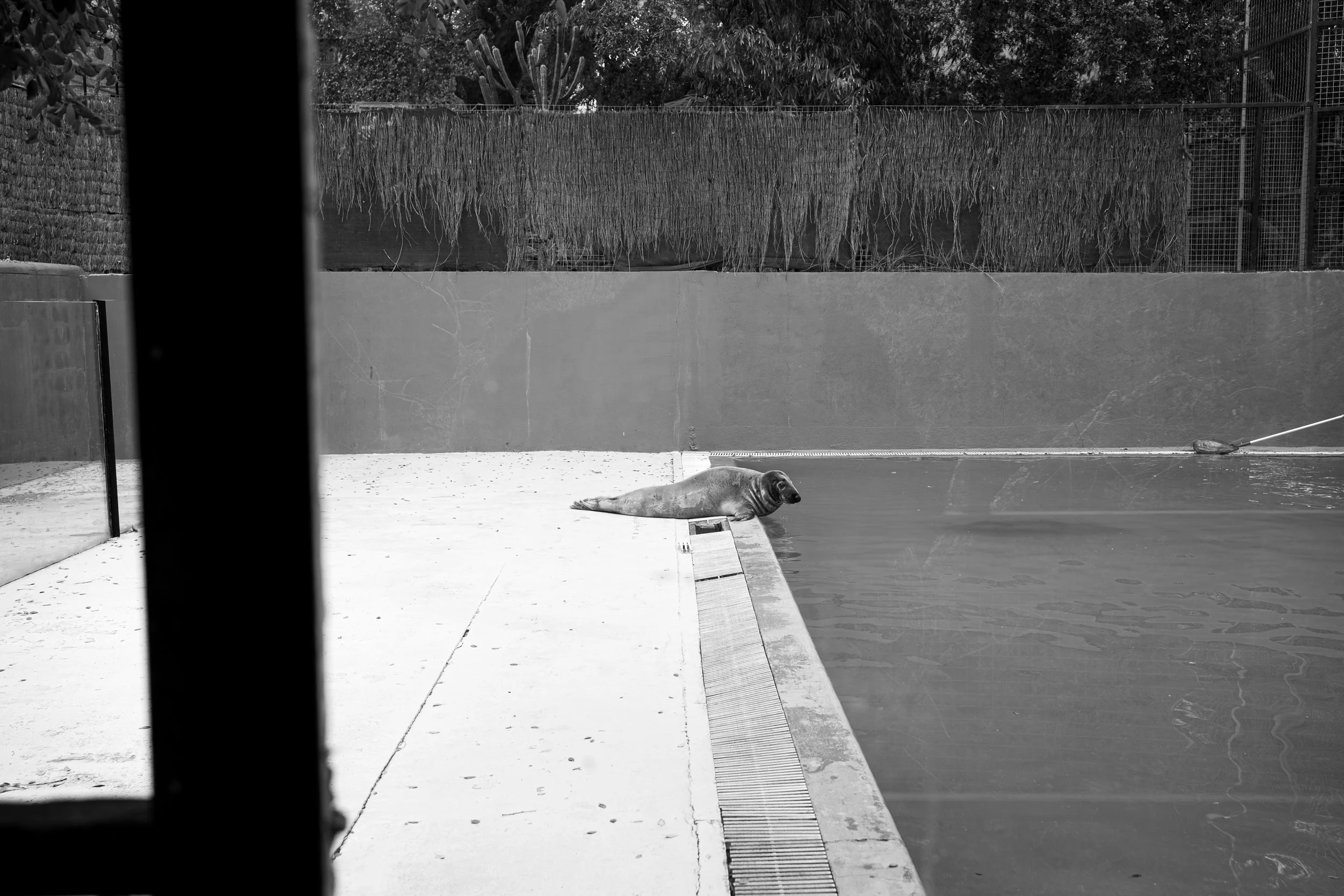
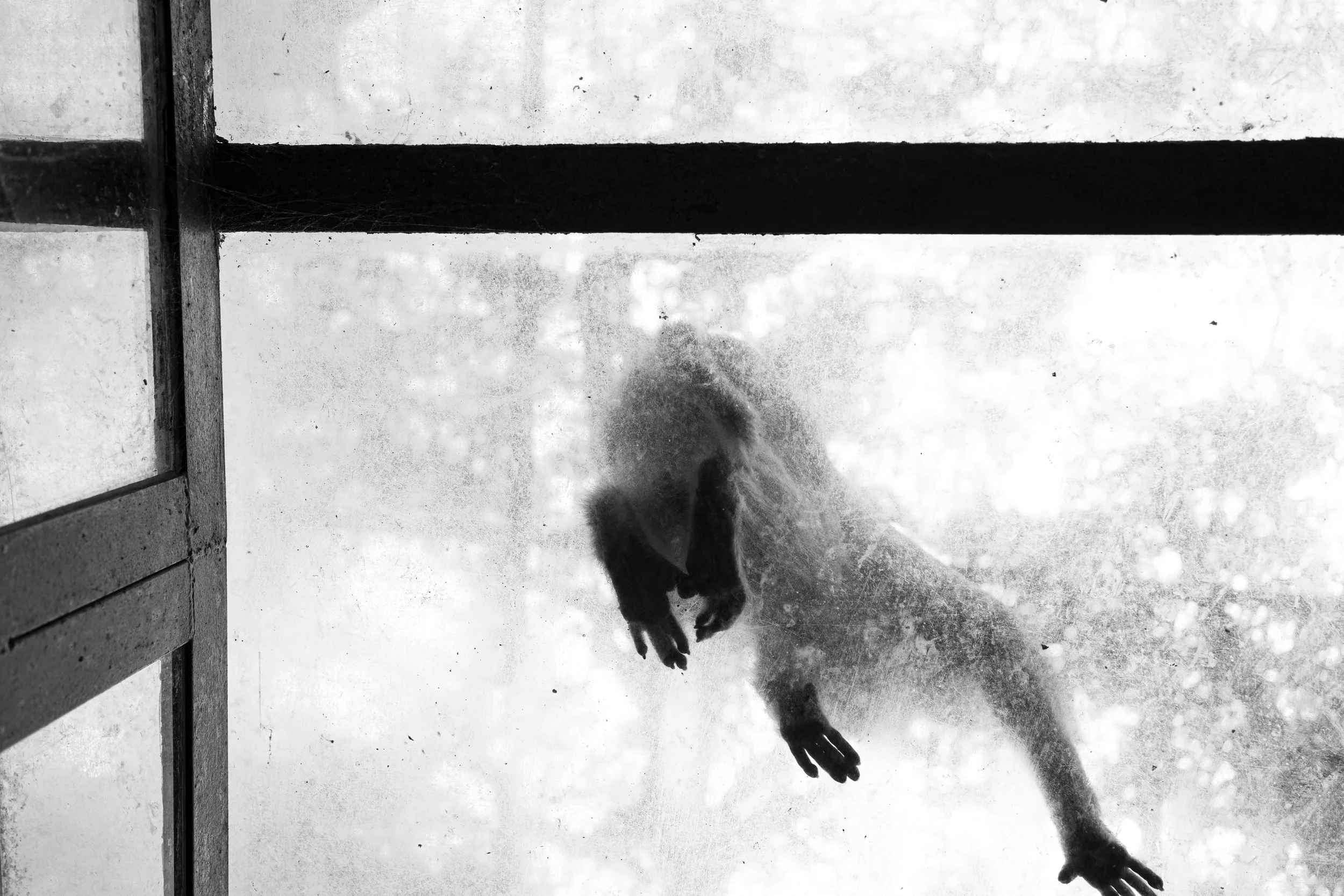
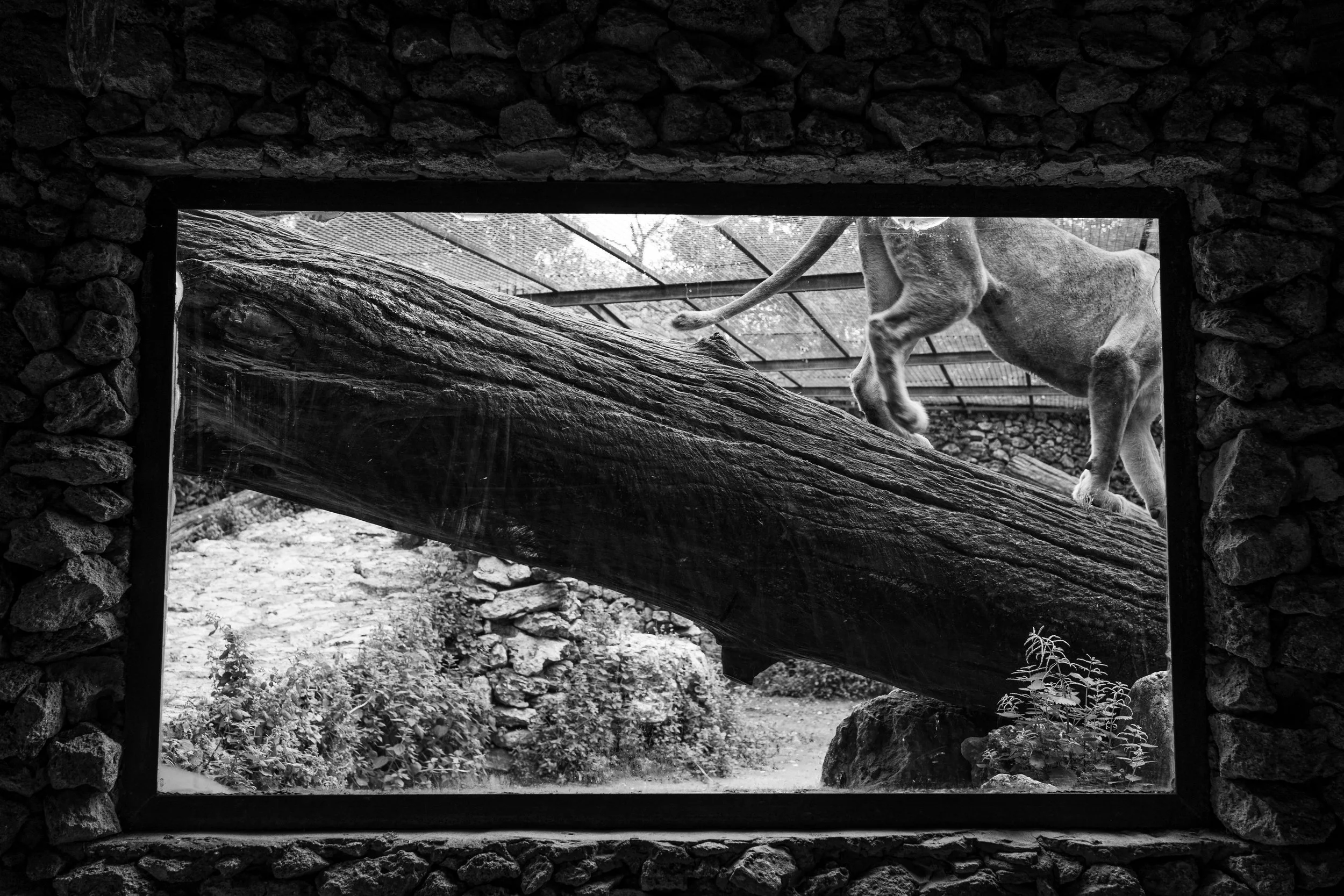
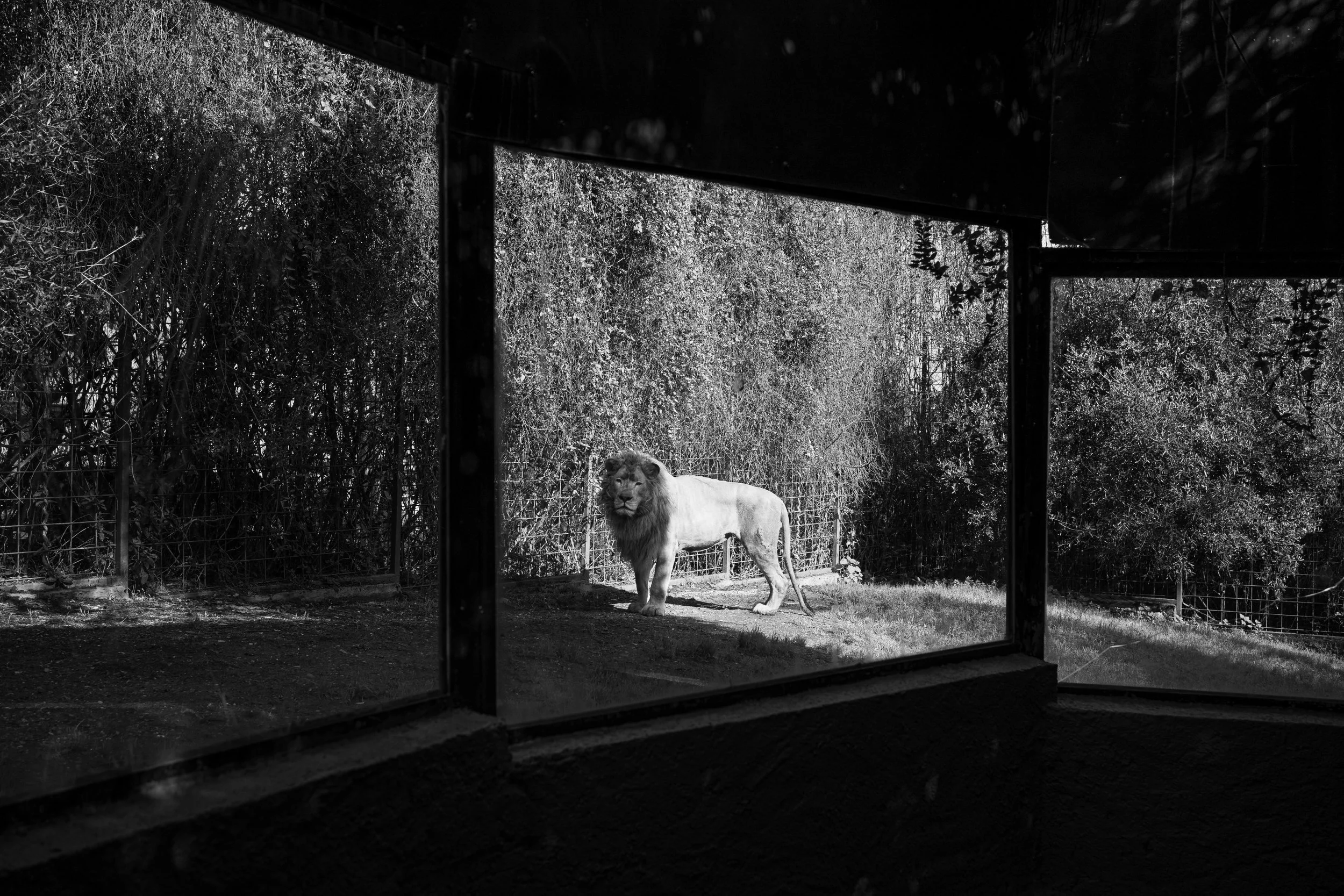
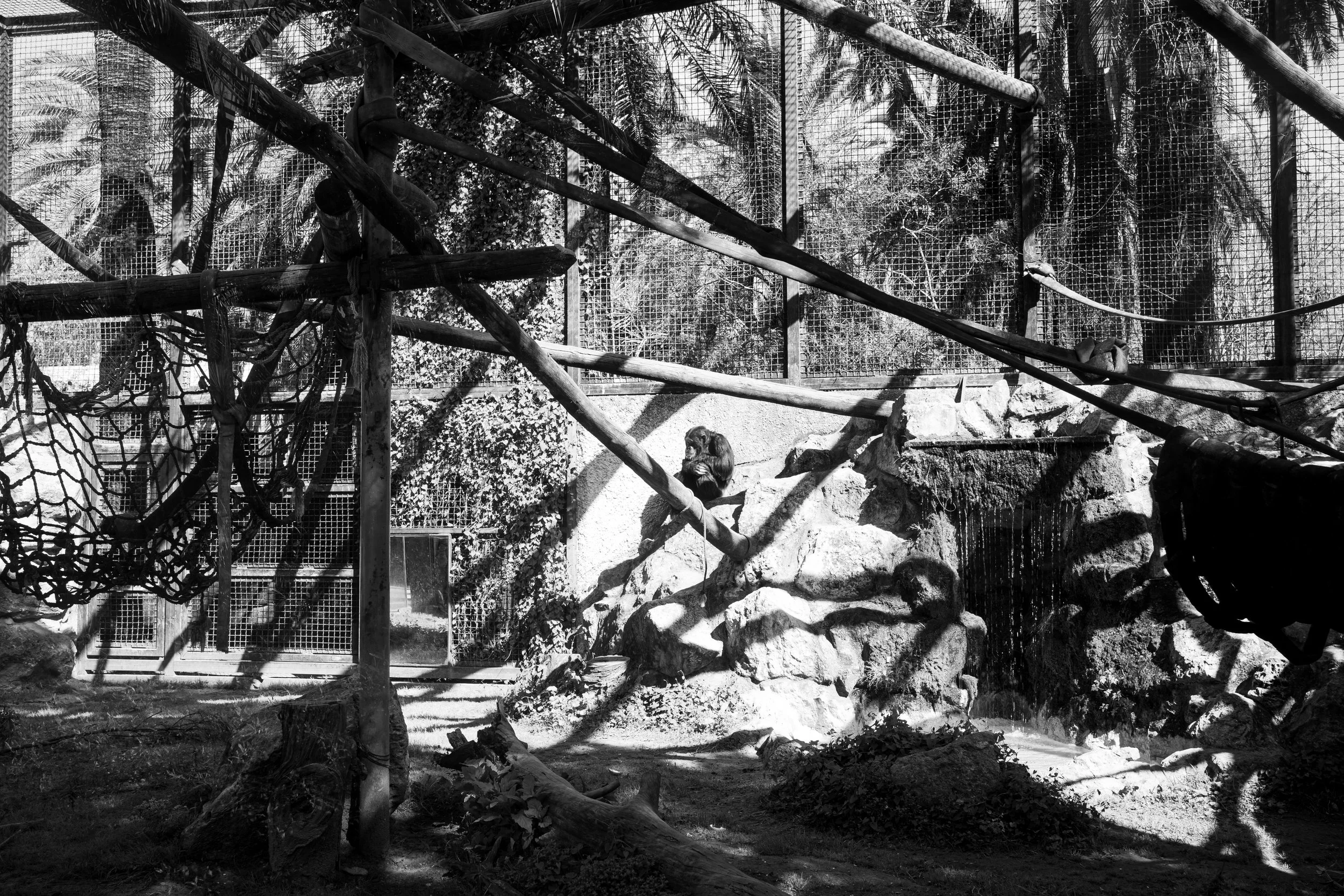
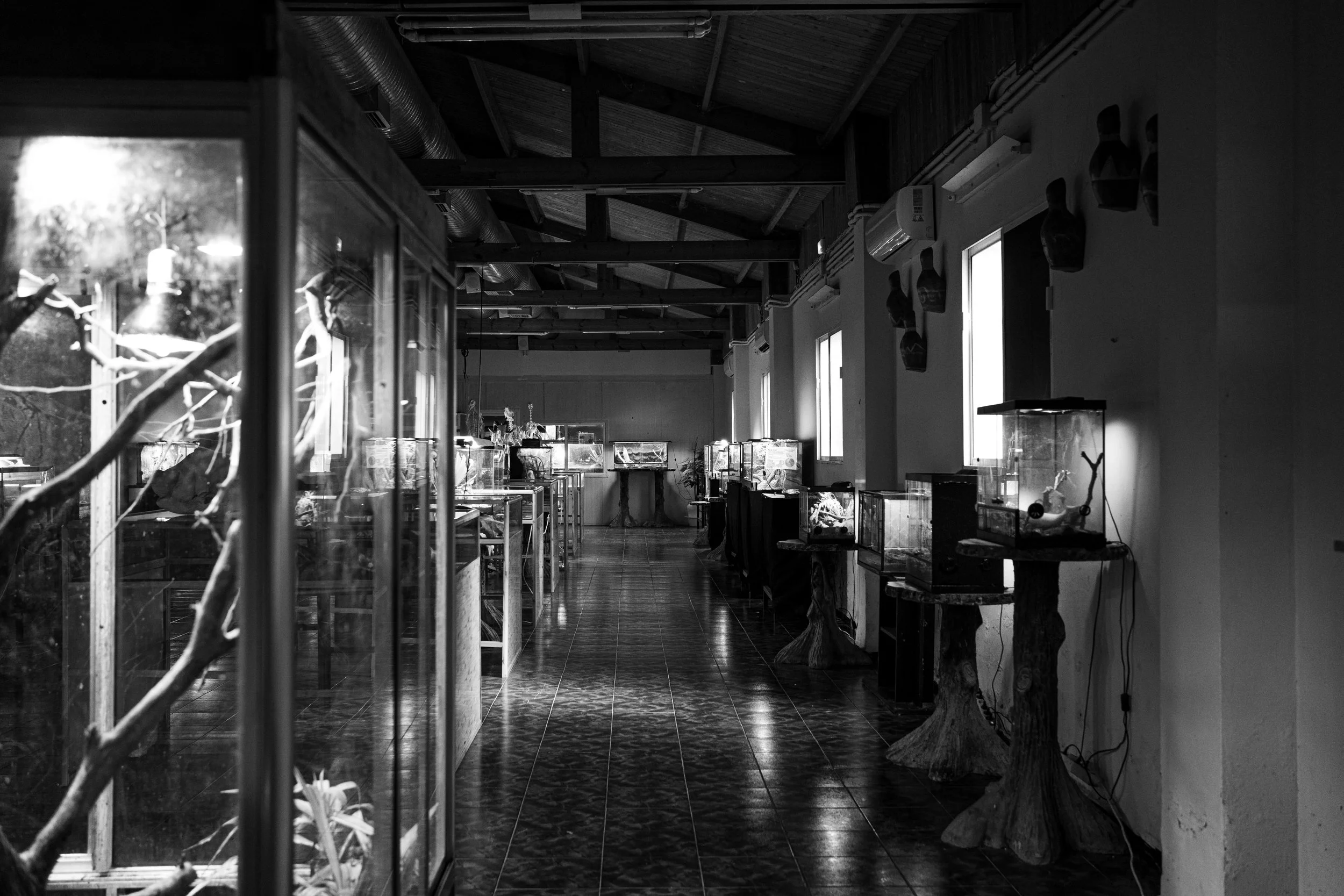
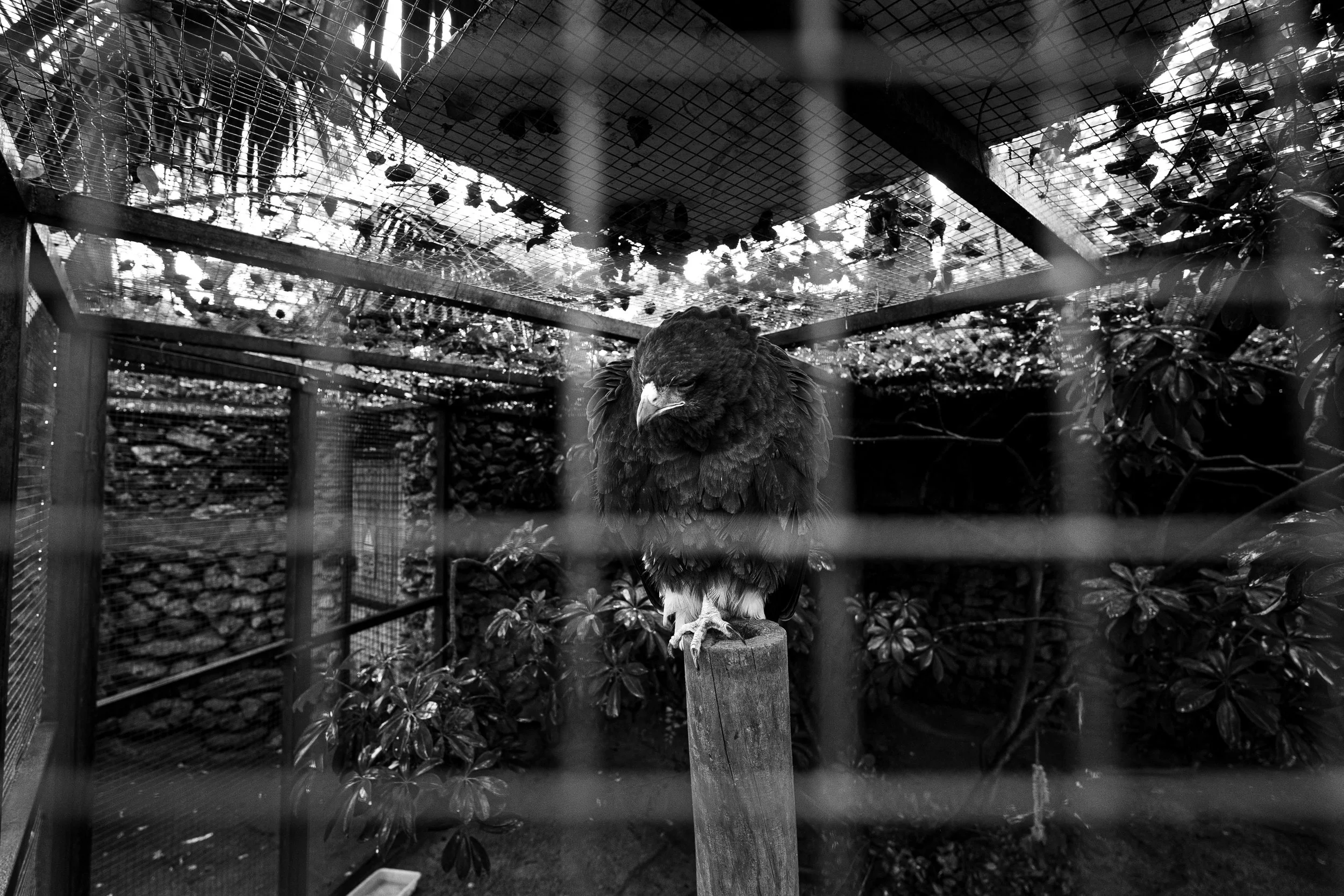
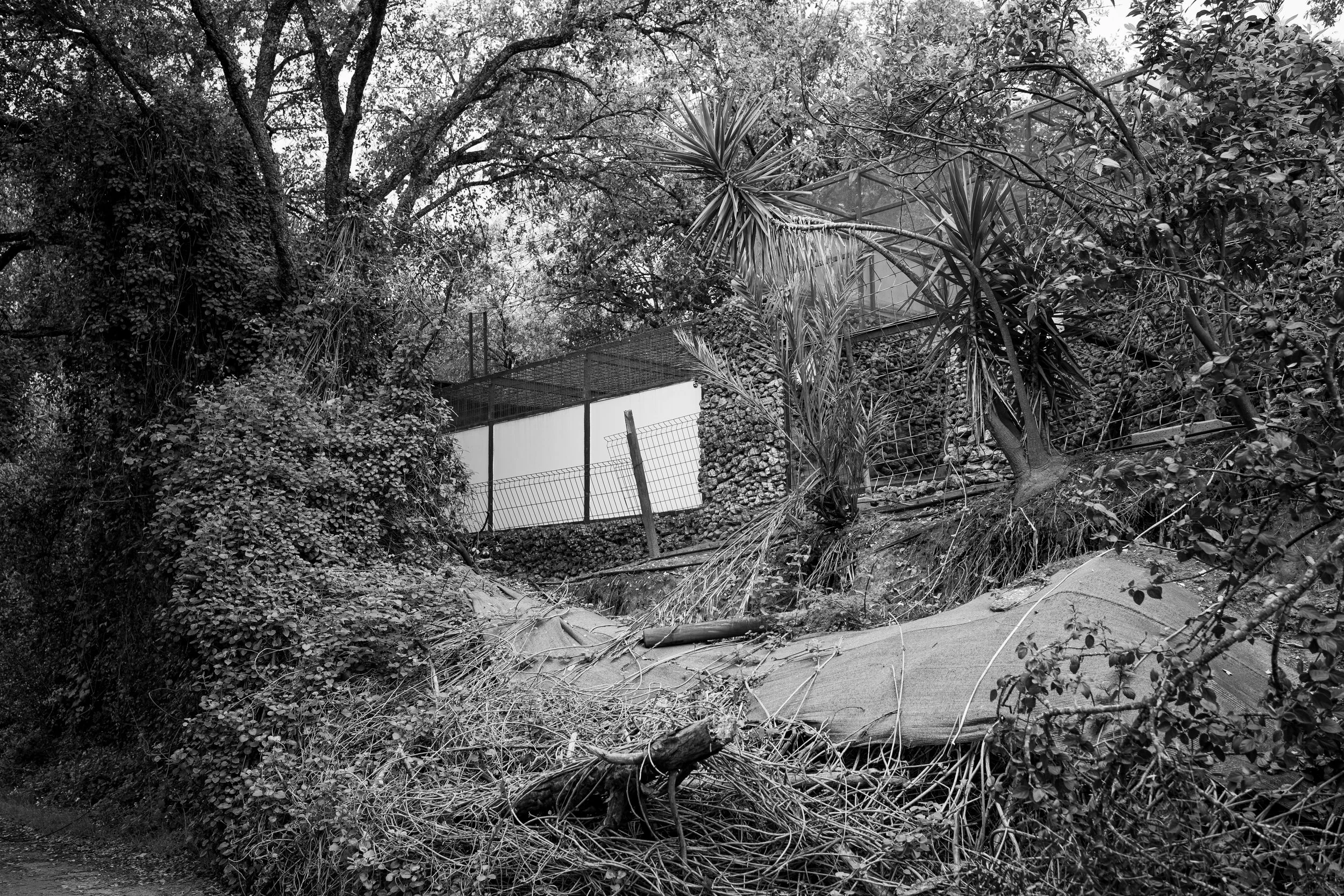
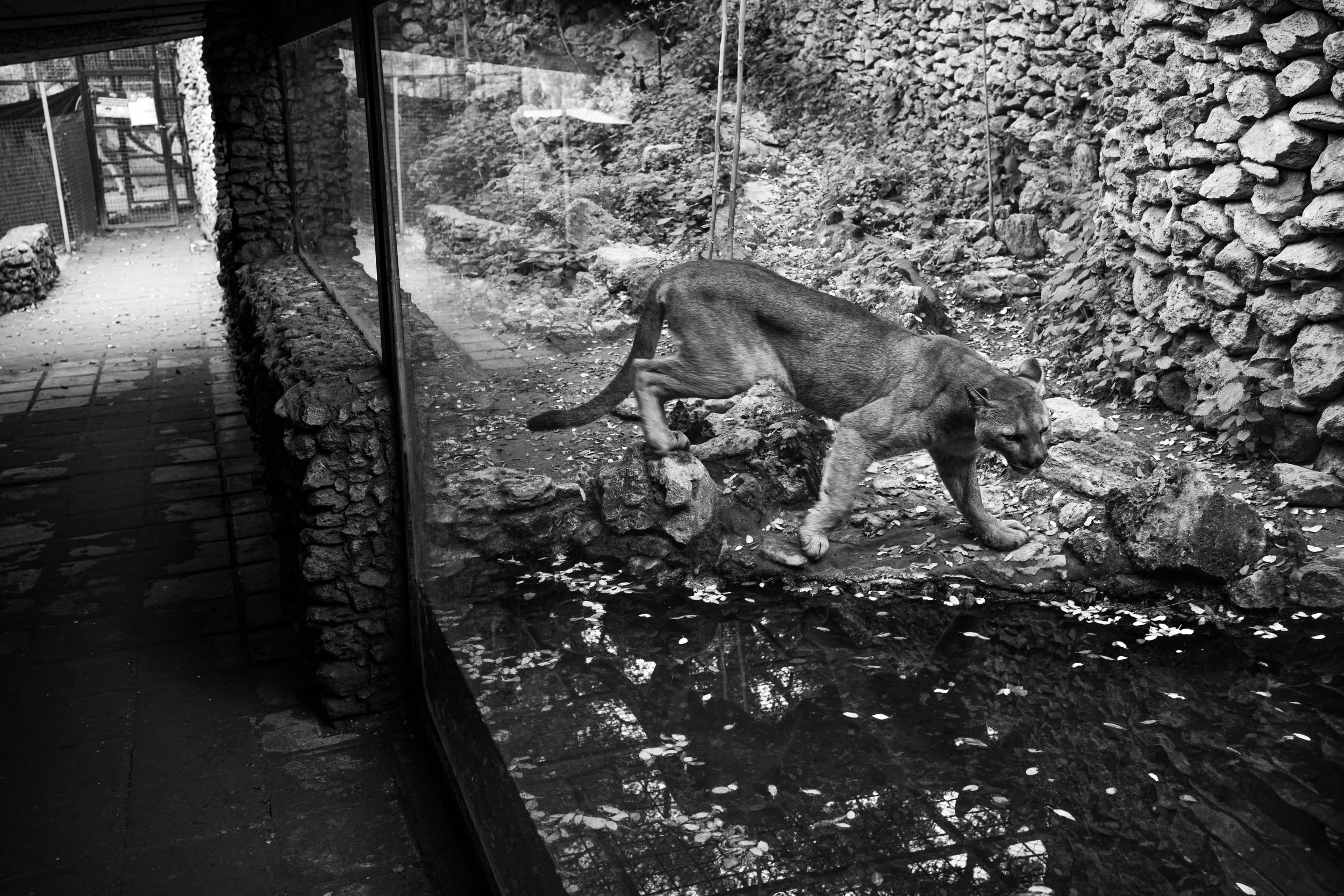
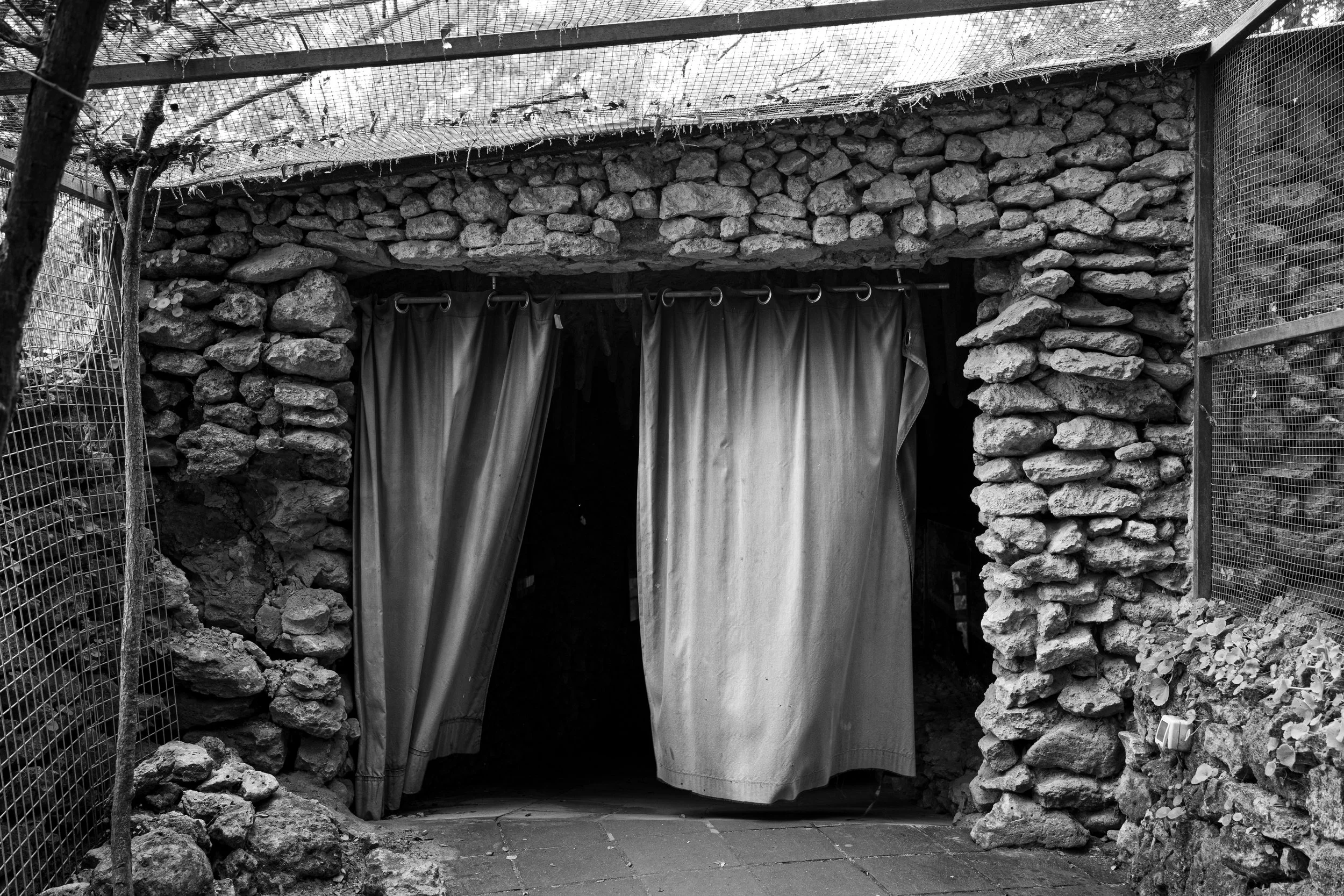
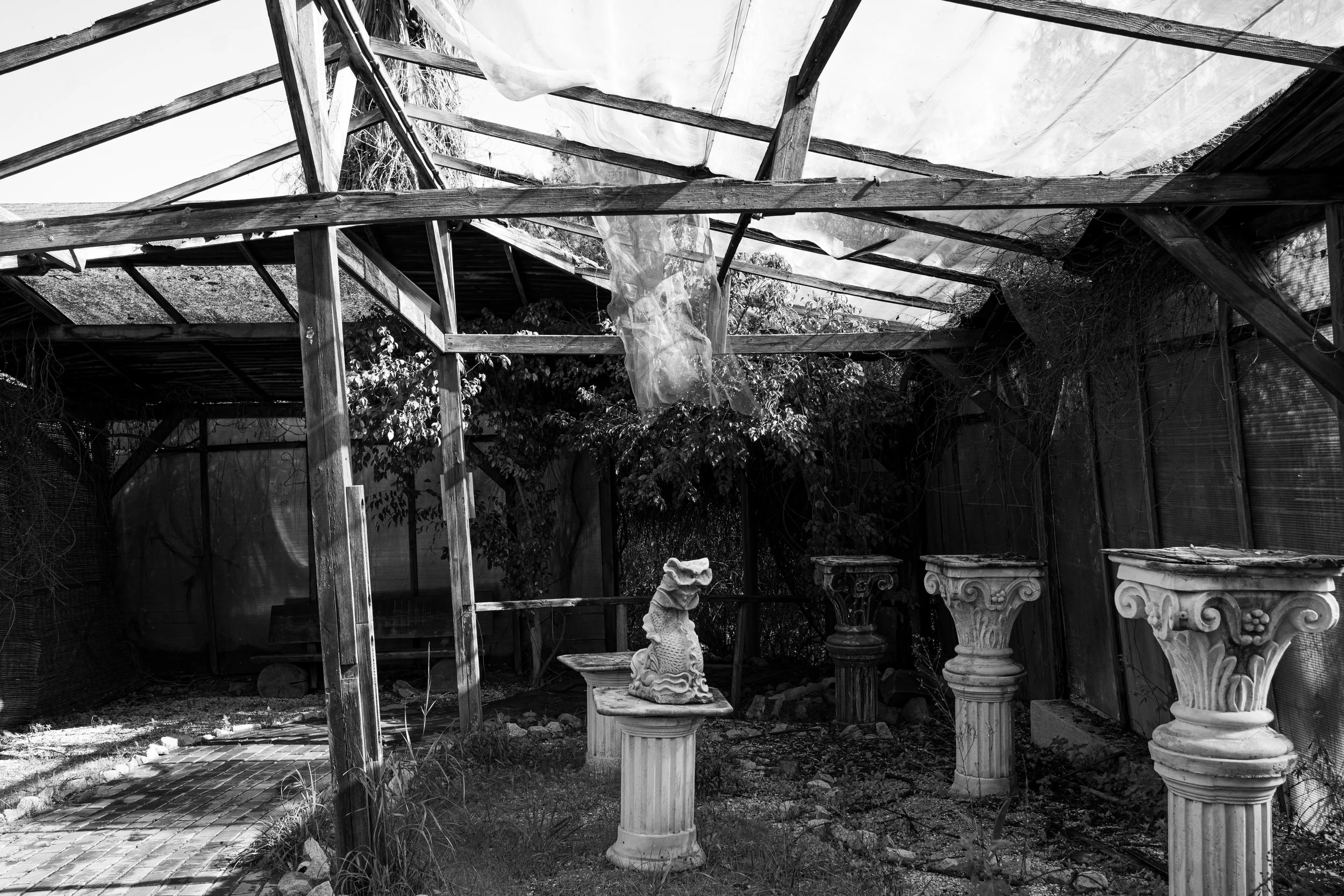
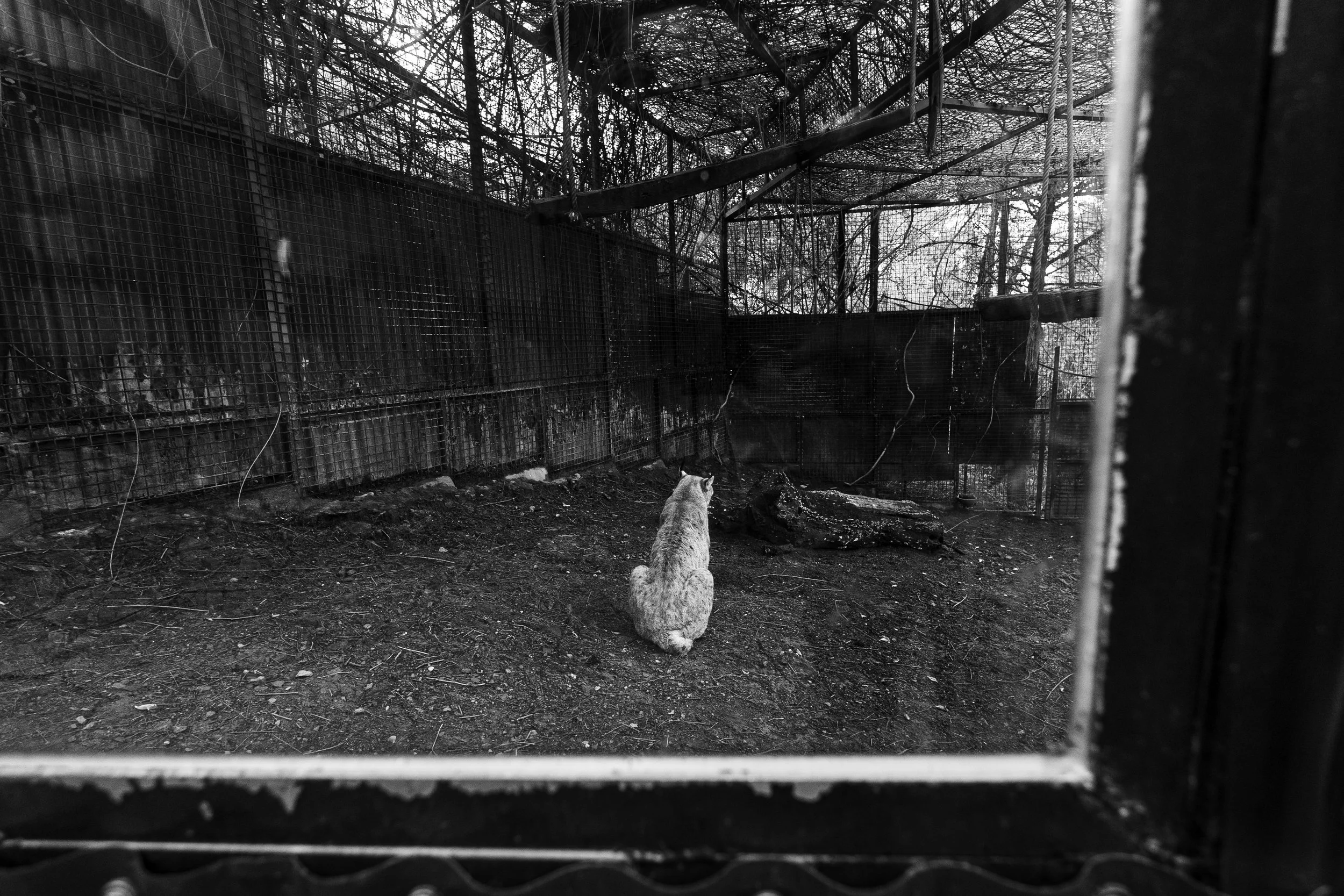
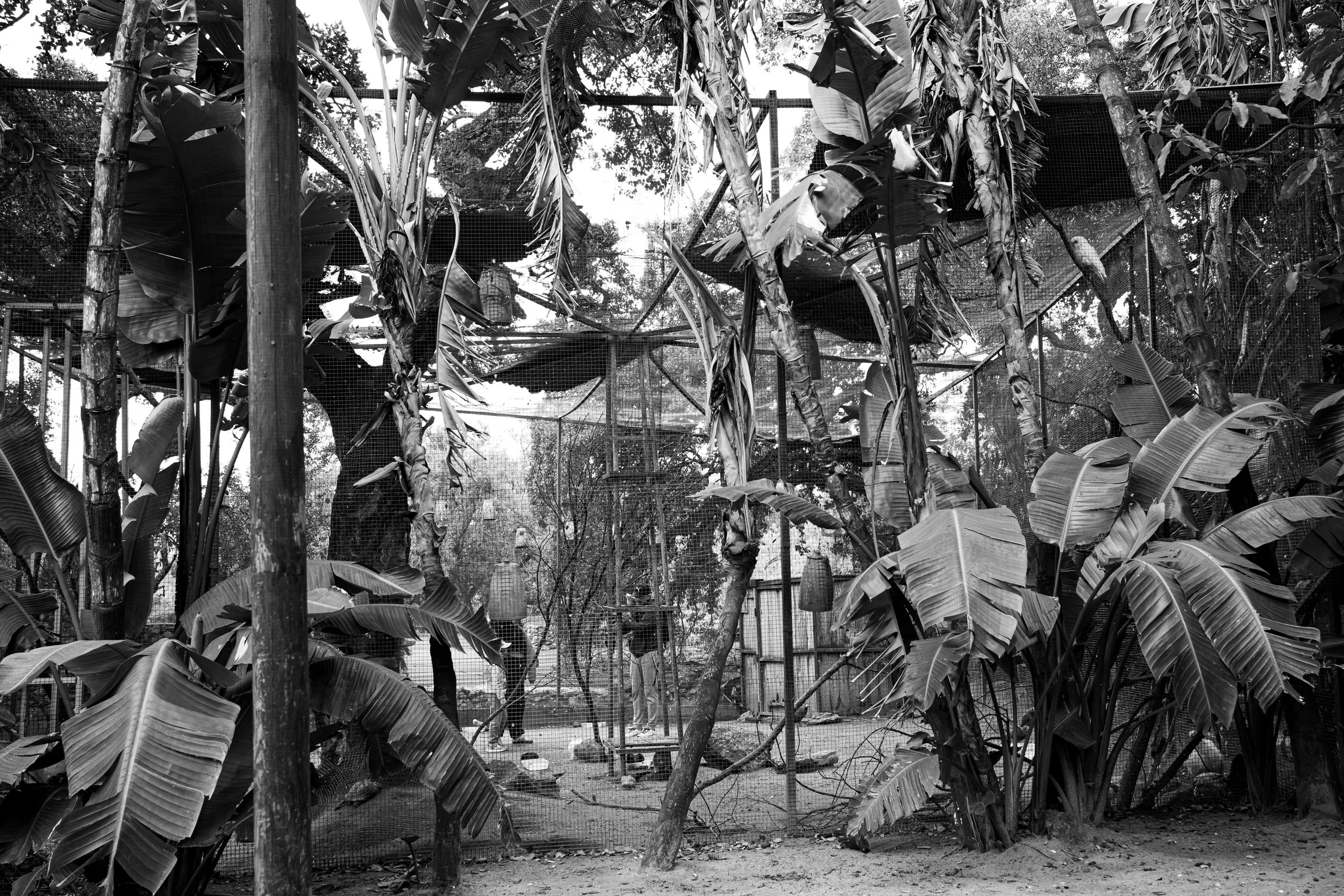
Twenty years later, I’ve returned to roadside zoos with a different agenda. I pose as an interested tourist, photographing not only the animals but the conditions they live in. Barren enclosures, stagnant, dirty water and the absence of enrichment make up these animal’s lives.
This body of work was made across western Europe, an area notorious for their poor treatment of animals and lack of enforcement when it comes to welfare laws. Organisations like Born Free have raised ongoing concerns about the welfare of the animals kept in zoos featured in my photographs.
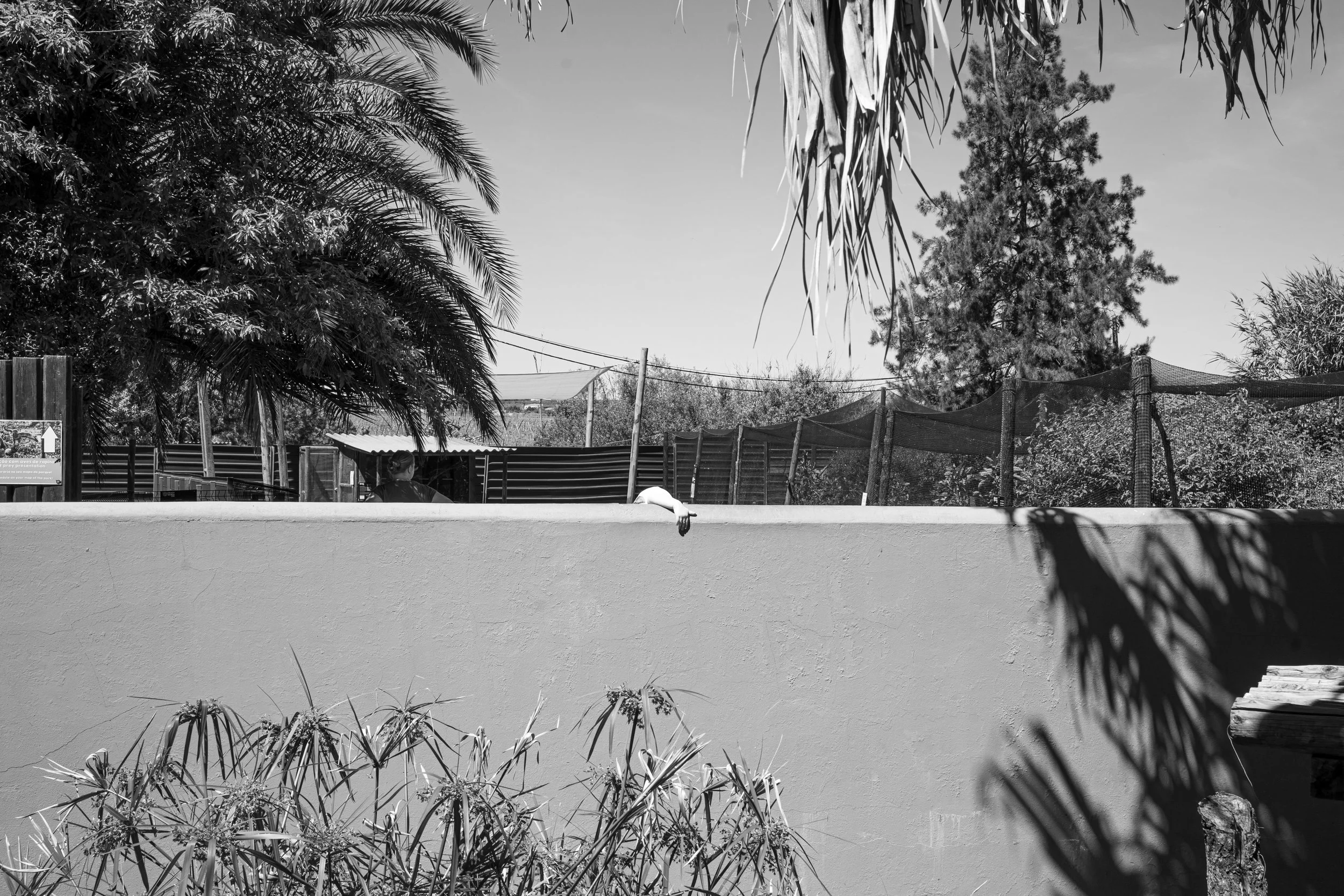
Zoo Castellar, which features heavily in my work, advertises itself as a ‘Animal Rescue Centre’. The zoo claims it captures and rehabilitates illegally trafficked animals. During high season, these ‘rescued’ animals are then used as props for photo ops and tamed so the public can handle them safely.
My visits so far have captured the off-peak season, when the animals are left to pace their small enclosures, waiting for the inevitable summer months which bring mauling and harassment.
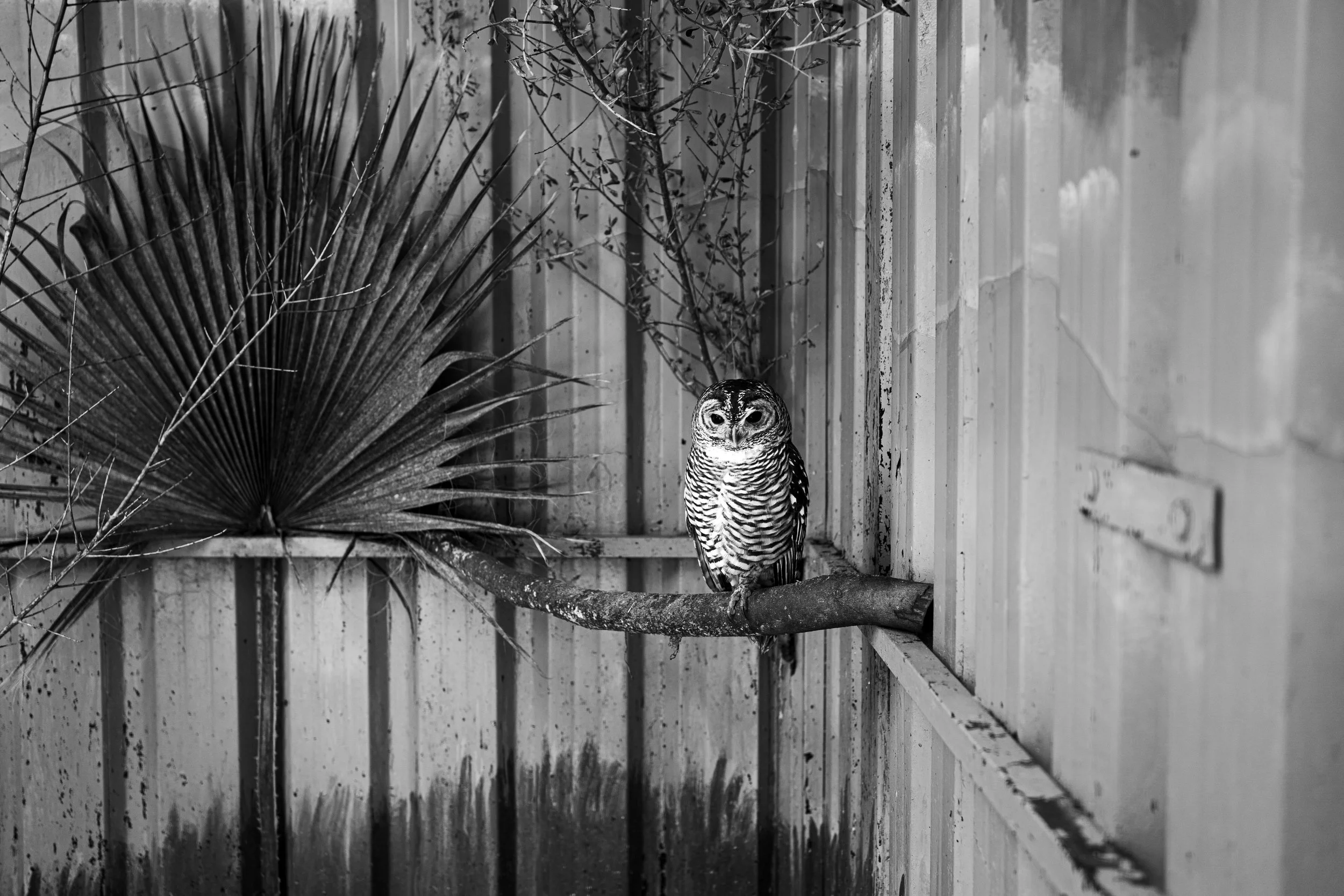
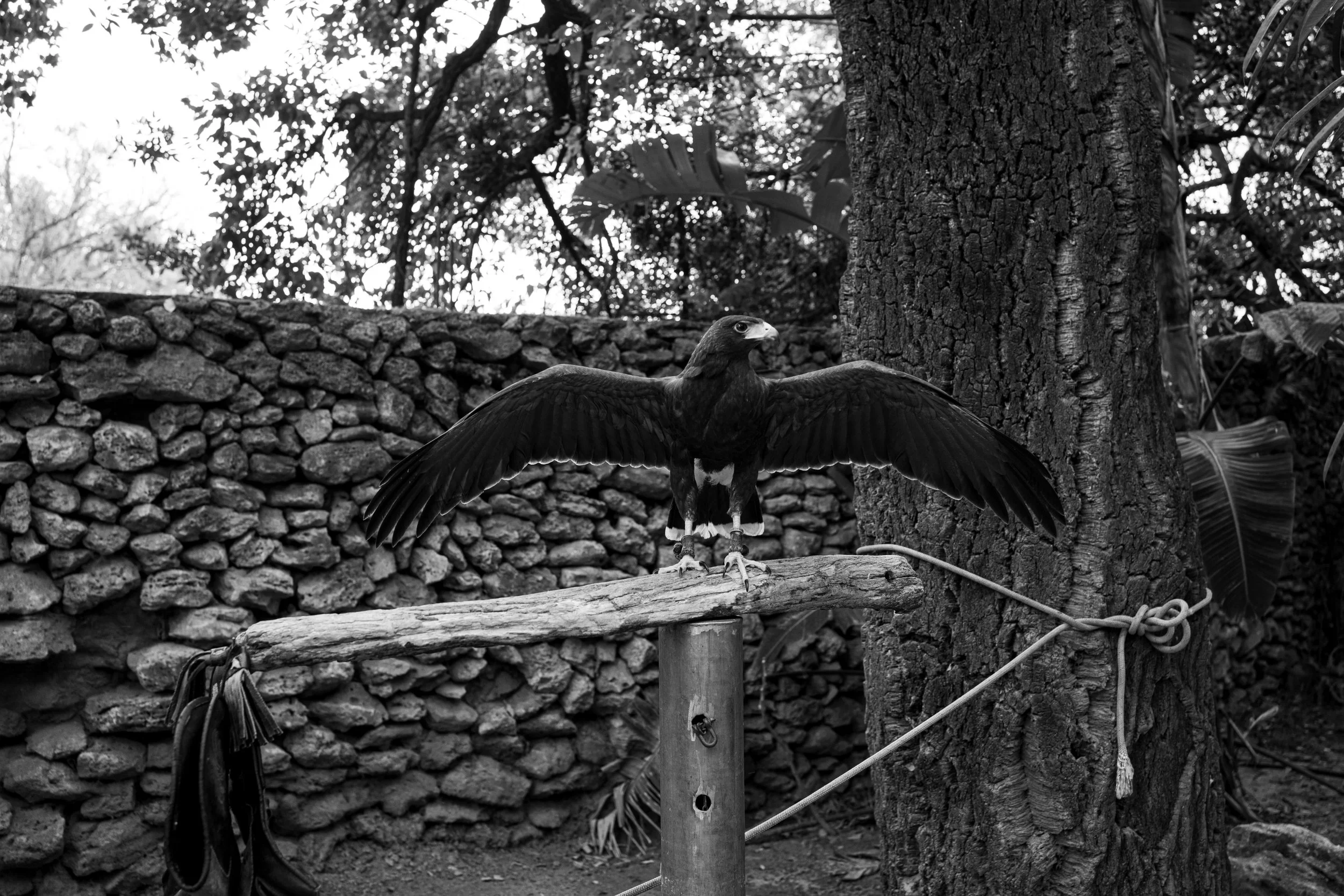
These roadside zoos are not illegal. They are simply a cheap, easy day out with guaranteed excitement for the kids. I can’t stop you from visiting them, I can only show you what I see, as a quiet activist. My photos don’t show obvious harm or suffering, instead they show loneliness. I invite you to consider when faced with the choice between what is right and what is easy, remember the owl sat alone in the corner of his cage, remember the lion who sleeps on bars and the eagle tethered to a stump and used for selfies.